
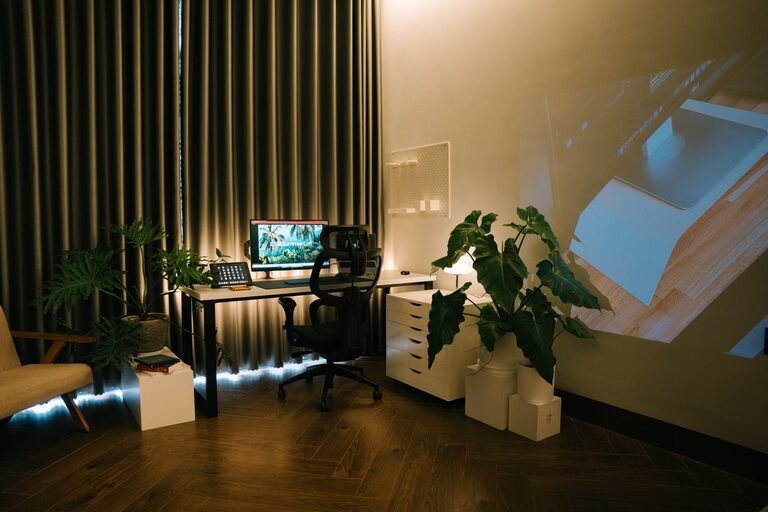
Creating a relaxing home workspace is essential for maintaining productivity and reducing stress while working remotely or handling tasks at home. With the right setup, your workspace can boost your focus and make your work hours more enjoyable. In this post, we’ll share practical tips and ideas to help you design a calming, comfortable, and efficient workspace right in your home.
Why a Relaxing Workspace Matters
Your workspace has a significant impact on your mood, energy levels, and concentration. A cluttered or uncomfortable area can increase stress and distract you from your tasks. On the other hand, a well-organized, peaceful environment encourages creativity and helps maintain motivation throughout the day.
Choose the Right Location
Find a Quiet Spot
Start by selecting a quiet area in your home with minimal distractions. Ideally, this space should be away from high-traffic zones like the kitchen or living room to help you focus better.
Consider Natural Light
Natural light can improve your mood and reduce eye strain. Position your desk near a window if possible, but avoid glare on your computer screen by using blinds or curtains.
Ergonomic Furniture for Comfort
Invest in a Good Chair
Comfortable seating is crucial since you may spend hours at your desk. Look for an adjustable chair with lumbar support to promote good posture and prevent back pain.
Choose a Suitable Desk
Select a desk that fits your space and work needs. It should have enough surface area for your computer, documents, and other essentials. Adjustable or standing desks can offer flexibility and encourage movement.
Declutter and Organize
Keep Essentials Close
Limit your desk items to the tools and supplies you need daily. Use organizers, trays, or small storage containers to keep everything tidy and within reach.
Manage Cables
Use cable organizers or clips to prevent wires from tangling and cluttering your workspace.
Use Soothing Colors and Decor
Pick Calm Colors
Colors like soft blues, greens, or neutrals tend to have a calming effect. Incorporate these colors in your walls, desk accessories, or artwork.
Add Personal Touches
Include items that bring you joy or inspiration, such as plants, photos, or motivational quotes. Just be careful not to overcrowd your space.
Incorporate Plants for a Fresh Feel
Houseplants not only add a splash of green but also improve air quality and reduce stress. Easy-care options like snake plants, pothos, or succulents are great for busy workers.
Control Lighting for Comfort
Use Layered Lighting
Combine natural light with task lighting such as desk lamps to reduce eye strain. Adjustable lamps allow you to direct light where you need it most.
Minimize Harsh Lighting
Avoid overly bright overhead lights or harsh fluorescent bulbs. Warm LED lights provide a softer, more comfortable glow.
Create Boundaries and Routines
Set Work Hours
Having clear start and end times helps separate work from personal life, reducing burnout.
Define Workspace Rules
If you share your home, communicate your workspace boundaries to housemates or family members to minimize interruptions.
Add Calming Elements
Consider including soft textures like a cozy rug or cushions. Aromatherapy with essential oils or scented candles may also contribute to a relaxing atmosphere but be mindful of ventilation and safety.
Take Breaks and Move
Remember that no workspace is complete without regular breaks. Stand up, stretch, or take a short walk to refresh your mind and body.
—
By thoughtfully designing your home workspace with these tips in mind, you can create an environment that promotes relaxation and productivity. Making small changes can have a big impact on how you feel throughout your workday. Start with one or two adjustments and tailor your workspace to what feels best for you.
About the Author