
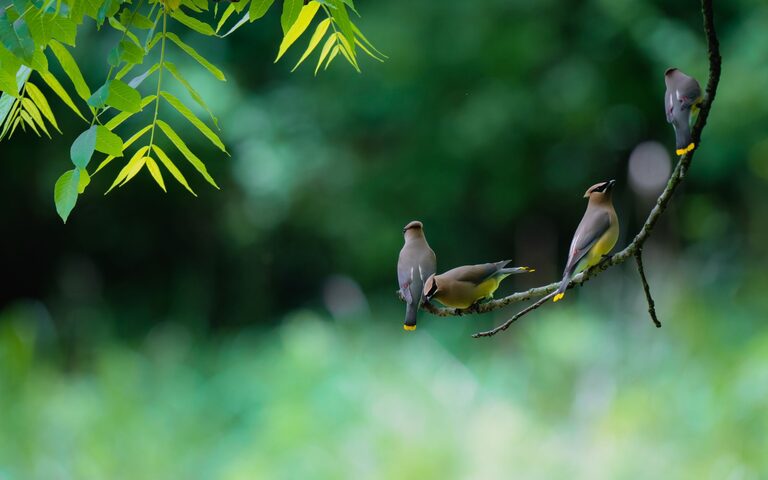
Birdwatching is a rewarding hobby that allows you to connect with nature, learn about local wildlife, and enjoy peaceful moments outdoors. If you’re new to backyard birdwatching, it can feel a bit overwhelming at first, but with a few simple tips, you’ll soon be spotting and identifying birds right from your own backyard. This guide will help you get started with everything you need to know to enjoy birdwatching as a beginner.
Why Backyard Birdwatching?
Birdwatching doesn’t require expensive equipment or long trips. Your backyard can be a haven for many bird species, especially if you create an inviting environment for them. Watching birds can reduce stress, build patience, and increase your awareness of the natural world around you.
Getting Started: What You Need
1. Basic Equipment
You don’t need much to begin birdwatching, but a few tools can enhance your experience:
– Binoculars: A pair of binoculars helps you see birds clearly from a distance. For beginners, a pair with 8x or 10x magnification is ideal.
– Bird Guidebook or App: A bird identification guide or a smartphone app can help you learn the names, sounds, and habits of birds you spot.
– Notebook: Jotting down your observations can be fun and useful as you notice patterns or new species.
2. Bird-Friendly Space
Creating a welcoming backyard environment for birds can attract more species. Consider adding:
– Bird Feeders: Different seeds attract different birds. Black oil sunflower seeds are popular with many species.
– Bird Bath: Fresh water is a big draw. Place a shallow birdbath in a quiet spot.
– Native Plants: Trees, shrubs, and flowers native to your area provide shelter and natural food sources like berries and insects.
Tips for Successful Birdwatching
1. Be Patient and Observant
Birds may take time to appear, so patience is key. Find a comfortable spot where you can sit quietly without sudden movements or loud noises. Watch carefully—sometimes birds blend well with their surroundings.
2. Learn Bird Behavior
Understanding how birds behave can help you spot them more easily. For example, certain birds prefer feeding on the ground while others stay in the trees. Early morning and late afternoon are often the best times to see active birds.
3. Start with Common Birds
Begin by identifying common backyard birds. These may include species like robins, sparrows, finches, and cardinals. As you become familiar with them, you can expand your knowledge to more unusual visitors.
4. Record Your Sightings
Keep track of the birds you see with a notebook or an app designed for birders. This record can become a personal birdwatching journal and motivate you to keep observing.
Encouraging Birds to Visit
1. Provide Food and Water
Place bird feeders in safe, visible locations. Clean feeders regularly to prevent disease. Change water in your birdbath frequently to keep it fresh.
2. Offer Shelter
Birds need places to hide from predators and harsh weather. Leave some natural plant cover or install birdhouses suited to species in your area.
3. Avoid Chemicals
Limit or avoid using pesticides and herbicides in your yard, as these can harm birds and reduce their food sources.
Common Backyard Birds You Might Spot
– Northern Cardinal: Bright red male with a distinctive crest.
– American Robin: Often seen hopping on lawns, searching for worms.
– Blue Jay: Bold, blue-colored bird known for its loud calls.
– House Finch: Small, with a cheerful song and reddish coloring on males.
– Mourning Dove: Soft cooing sound and gentle gray body.
Helpful Resources for Beginners
– Local Audubon Society: Many communities have chapters offering workshops and birdwatching walks.
– Bird Identification Apps: Apps like Merlin Bird ID or Audubon Bird Guide are user-friendly and helpful.
– Online Forums and Groups: Joining online communities can provide support and advice.
Final Thoughts
Backyard birdwatching is an accessible and enjoyable pastime. By setting up your space, learning about local birds, and practicing patience, you’ll find yourself noticing more wildlife and experiencing the calming benefits of this hobby. Whether you have a large garden or just a small balcony, birds can bring color and song to your everyday life.
Happy birdwatching!
About the Author