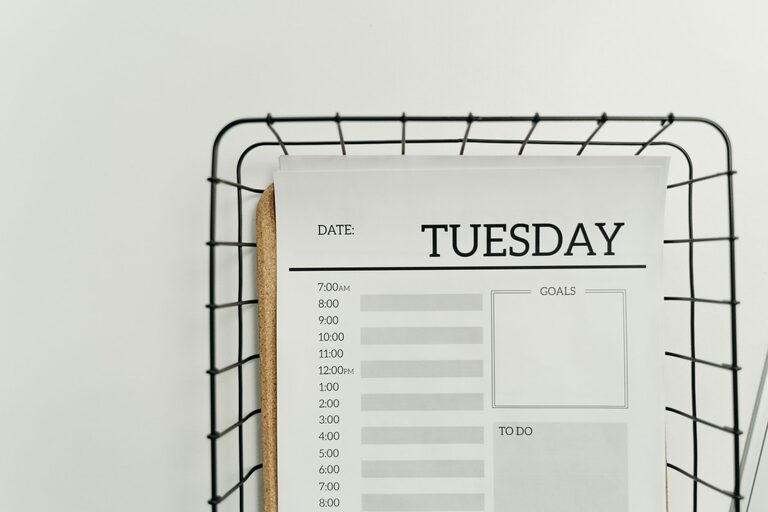

Paper clutter is one of the most common issues in homes today. From bills and receipts to junk mail and school papers, it can quickly build up and create frustration. Fortunately, reducing paper clutter doesn’t have to be difficult or time-consuming. With a few simple strategies, you can keep your home organized and enjoy a cleaner, more peaceful environment.
In this post, we’ll explore practical and straightforward ways to minimize paper clutter, helping you manage important documents and toss the unnecessary ones. Let’s get started!
Why Reduce Paper Clutter?
Before diving into the steps, it’s helpful to understand why reducing paper clutter matters:
– Saves Time: Less paper means less sorting and searching for important documents.
– Reduces Stress: Clutter can cause anxiety; a tidy space promotes calmness.
– Improves Organization: Streamlining your papers makes it easier to find what you need quickly.
– Protects Important Documents: Keeping papers organized prevents loss or damage.
Step 1: Create a Sorting System
The first step to tackling paper clutter is to establish a sorting system. This helps you decide which papers to keep, which to act on, and which to discard.
How to Sort Paper
- **Gather all loose paper:** Collect all papers from countertops, drawers, bags, and other spots in your home.
- **Sort into categories:** Common categories include bills, receipts, personal documents, school papers, and junk mail.
- **Create labeled bins or folders:** Use trays, folders, or boxes with clear labels to keep papers sorted as you receive or sort new ones.
This system sets the foundation for ongoing organization.
Step 2: Go Digital Wherever Possible
Reducing physical paper often starts with switching to digital formats.
Tips for Going Paperless
– Opt for electronic bills and statements: Most companies offer paperless billing options. Enroll online to receive your bills by email and avoid paper copies.
– Use apps to scan documents: Apps like Adobe Scan or Microsoft Lens allow you to quickly digitize paper receipts, forms, and notes.
– Store documents securely: Use cloud storage services or external hard drives to keep scanned files organized and backed up.
– Organize digital files: Create clear folders on your computer or cloud account to mirror your paper sorting system.
Going digital reduces the number of papers you have to manage daily.
Step 3: Declutter Regularly
Paper clutter can creep back if you don’t maintain your system. Set aside time to declutter on a regular schedule.
How Often to Declutter
– Weekly: Sort mail, bills, and receipts as they arrive.
– Monthly: Review stored papers to discard what’s no longer needed.
– Annually: Perform a deeper clean to archive or purge older documents.
What to Discard
– Junk mail and flyers you won’t use.
– Expired warranties or manuals.
– Receipts after warranty or return periods end.
– Old bills and statements beyond the required retention time.
Always shred sensitive documents before discarding them to protect your privacy.
Step 4: Organize Important Documents
Certain papers need to be kept and organized safely.
Key Documents to Keep
– Tax returns (generally 3–7 years)
– Birth certificates, Social Security cards
– Insurance policies
– Property deeds and mortgage papers
– Medical records
Organization Tips
– Use a fireproof safe or locked filing cabinet.
– Label folders clearly and consistently.
– Store documents by type and date for easy access.
– Avoid piling papers; use vertical filing systems to save space.
Step 5: Manage Incoming Paper
Prevent clutter by controlling incoming paper.
How to Manage Incoming Paper
– Unsubscribe from unwanted mail: Use services like Catalog Choice or DMAchoice to reduce junk mail.
– Set up a mail station: Have a designated spot with trays for incoming mail: “To Do,” “To File,” and “To Shred.”
– Handle mail immediately: Sort or discard mail as soon as it arrives to avoid pileups.
Step 6: Use Smart Tools and Storage Solutions
Having the right tools helps maintain a clutter-free environment.
Recommended Tools
– Desktop organizers and trays
– File folders and accordion files
– Label makers for clarity
– Shredder for secure disposal
Creative Storage Ideas
– Use wall-mounted file holders to save desk space.
– Repurpose magazine racks for sorting bills.
– Keep a desktop inbox for urgent papers.
Final Thoughts
Reducing household paper clutter doesn’t need to be overwhelming. By creating a sorting system, going digital, regularly decluttering, and organizing important documents, you can enjoy a more streamlined home. Managing incoming papers and using smart storage solutions will keep clutter under control long-term.
Try implementing a few of these tips today and notice how a tidier environment can improve your day-to-day life!
About the Author